
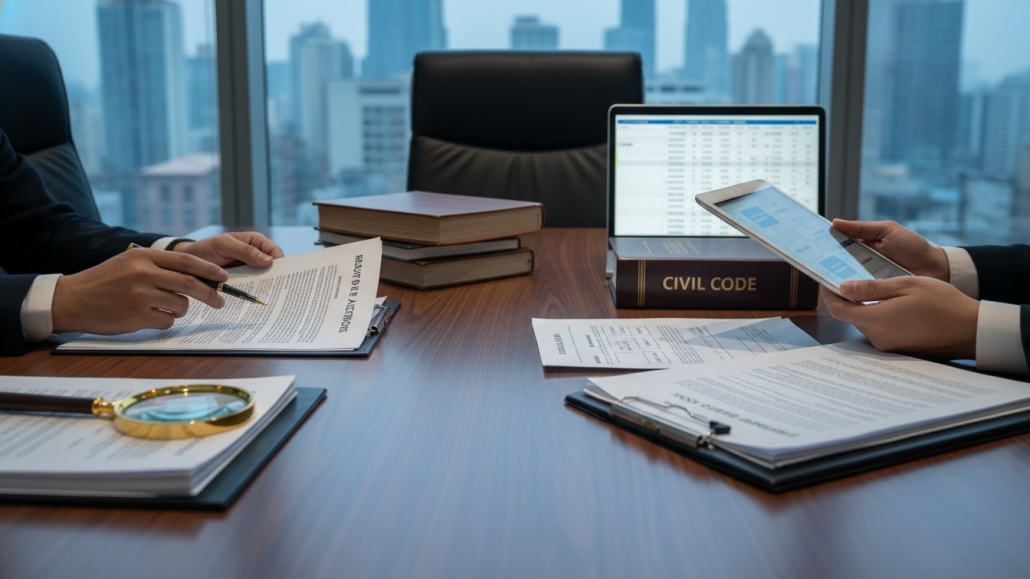
Understanding Litigation: Navigating Refunds & Relief From Collection Actions
Introduction
Litigation can often feel daunting, especially when it involves refunds or relief from collection actions. Many business owners face challenges with customers seeking refunds or being subjected to intense collection efforts. Understanding your options in these situations is crucial for ensuring your business’s financial health and legal compliance. This guide will provide a comprehensive overview of litigation related to refunds and relief from collection actions.
Understanding Refund Litigation
Refund litigation arises when a customer demands a refund and the business either refuses the request or overcomplicates the process. Here are some key components of refund litigation:
1. Types of Refund Claims
- Consumer Refunds: Customers may seek refunds for defective products or unsatisfactory services.
- Business-to-Business Refunds: Disputes may also arise between businesses over undisputed transactions.
2. Legal Basis for Refunds
Consumers and businesses typically have a legal foundation for seeking refunds, which includes:
- Contractual Obligations: If a contract stipulates specific refund conditions, violating these may lead to litigation.
- Consumer Protection Laws: Various federal and state laws protect consumers, allowing them to claim refunds under certain circumstances.
Relief From Collection Actions
When a business is faced with collection actions, particularly for debts that may be disputed, understanding how to seek relief is crucial.
1. Overview of Collection Actions
Collection actions can come from third-party collectors or creditors. These actions can lead to serious consequences such as damage to credit scores or even bankruptcy. Here’s how to approach these issues:
- Dispute the Debt: If a business believes the debt is inaccurate, disputing it promptly is essential. This can lead to a halt in collection efforts.
- Negotiate Settlements: Often, businesses can negotiate reduced payment amounts with creditors, providing some form of relief.
2. Legal Protections
Federal and state laws offer protections for consumers from aggressive collection actions. Key regulations include:
- Fair Debt Collection Practices Act (FDCPA): This law prohibits debt collectors from using deceptive or abusive tactics.
- State-Specific Laws: Many states have additional regulations governing debt collection that may provide more stringent protections.
Steps to Take When Facing Collection Actions
Should your business find itself in a challenging situation with collection actions, follow these steps:
- Keep Records: Document all communications with debt collectors, including dates, times, and the nature of the interactions.
- Seek Legal Advice: Consulting with a legal professional can provide clarity on your rights and available options.
- File Complaints: If a debt collector violates the FDCPA, you have the right to file a complaint with the Consumer Financial Protection Bureau (CFPB) or your state attorney general.
Practical Tips for Businesses
As a business owner, take proactive measures to minimize disputes over refunds and avoid aggressive collection actions:
- Establish Clear Policies: Make sure your refund and collection policies are transparent and communicated effectively to customers.
- Train Your Staff: Equip your employees with the knowledge to handle refund requests and collections sensitively and legally.
- Maintain Customer Satisfaction: Often, addressing issues preemptively can lead to satisfied customers who don’t resort to litigation.
Conclusion
Litigation regarding refunds and relief from collection actions can be complicated but understanding your rights, establishing clear policies, and taking proactive measures can mitigate these challenges. When faced with such disputes, seeking legal counsel may help you navigate the situation more effectively.
If your business needs assistance navigating litigation issues, please reach out for help. We offer a free consultation to assess your situation and provide tailored advice. Contact us today!
 Follow
 Follow
